
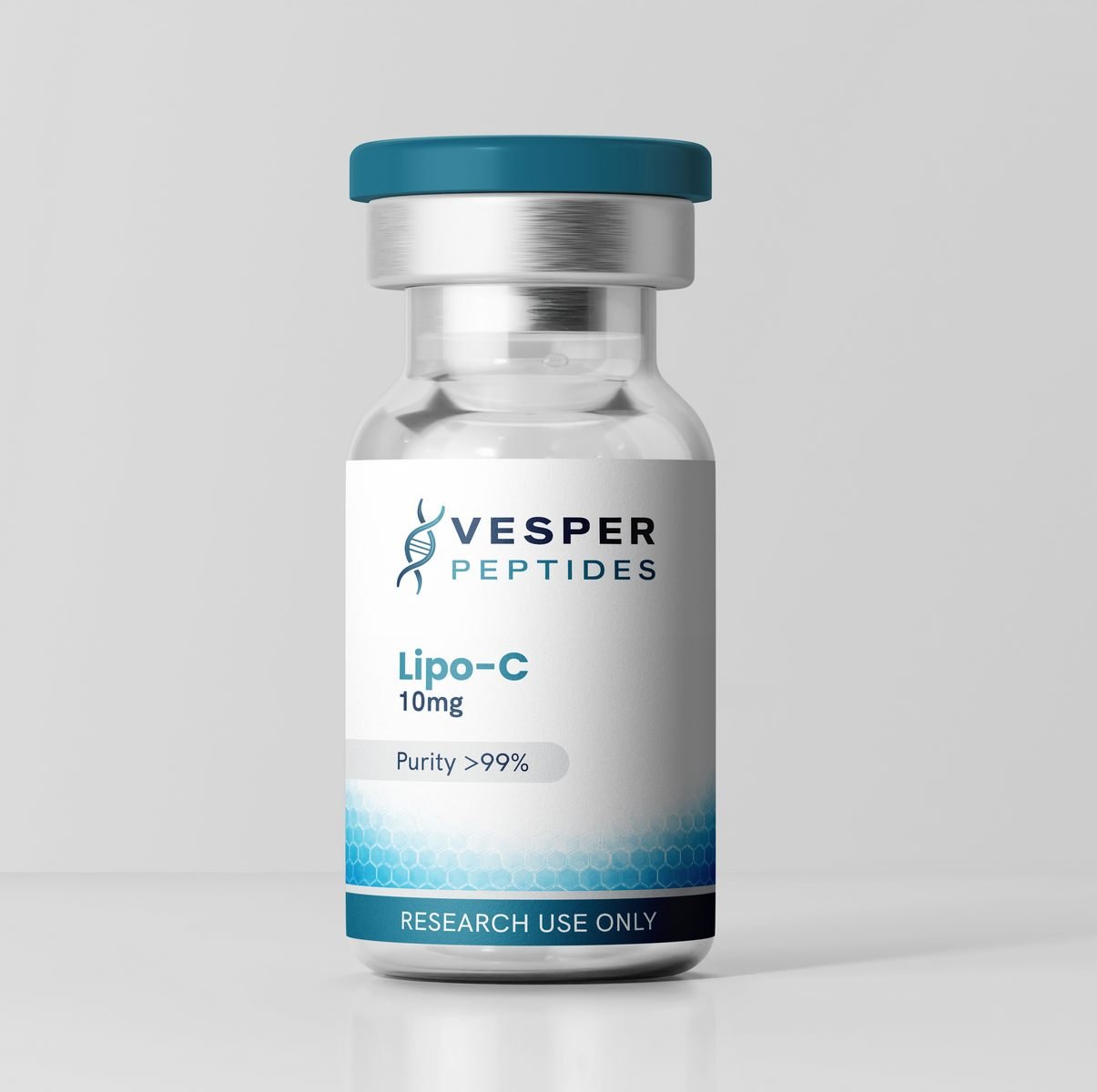
Lipo-C — Research-Grade Lipolytic Peptide Blend
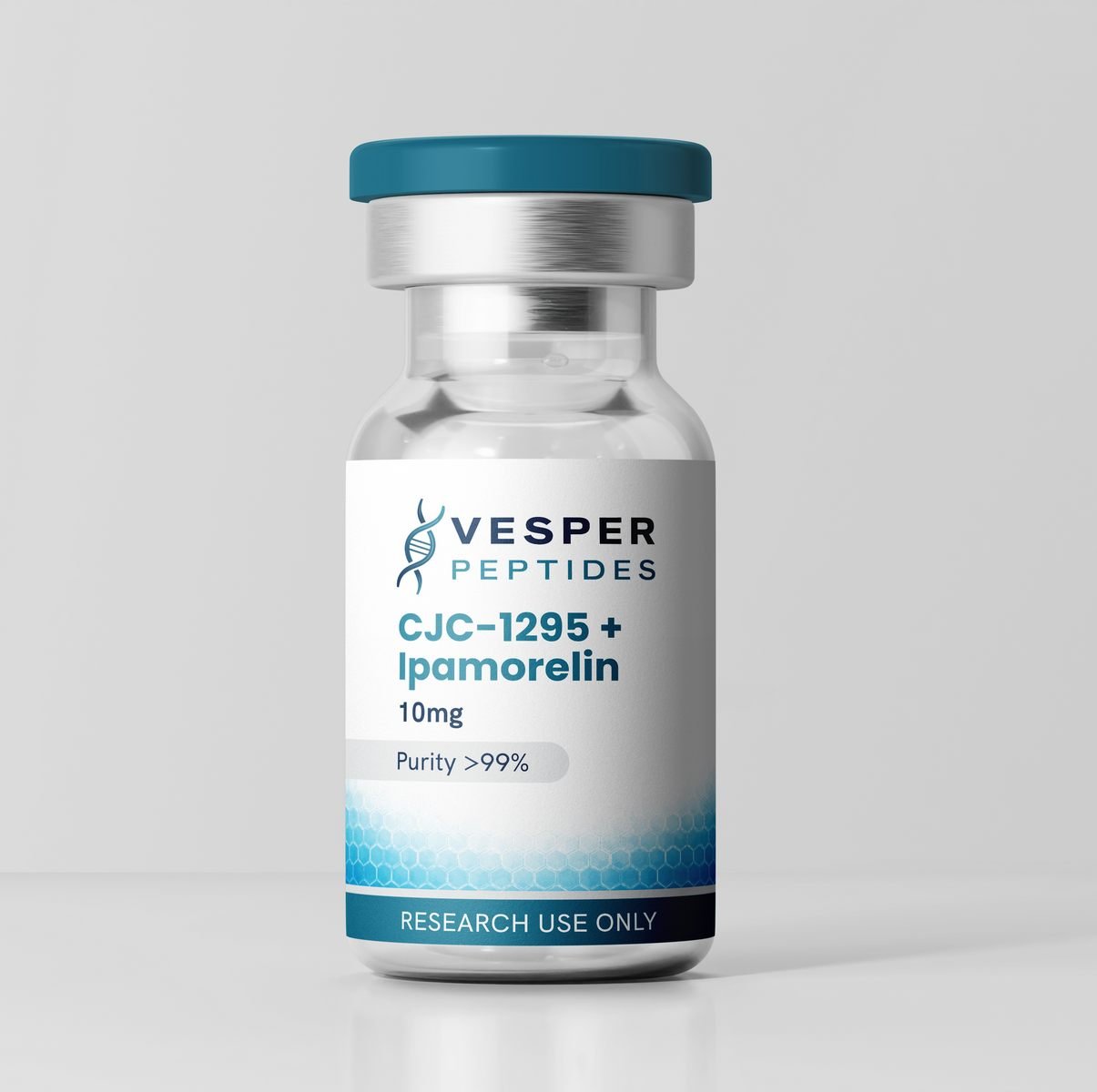
Lipo-C is a proprietary research-grade formulation that brings together multiple lipolytic and fat metabolism-targeting peptide compounds into a single lyophilized vial. Researchers in adipose tissue biology, metabolic pharmacology, and preclinical body composition research use this Lipo-C research peptide to investigate combined lipolytic signaling and its downstream effects on lipid handling, adipocyte function, and fat mass regulation. Furthermore, its compact 10mg format makes it a practical and cost-effective option for researchers running focused lipolytic pathway studies or including fat metabolism endpoints in broader metabolic research protocols.
Multi-Compound Lipolytic Research Rationale
Lipolysis — the enzymatic hydrolysis of stored triglycerides into free fatty acids and glycerol — involves multiple regulatory inputs acting simultaneously on adipocytes. These inputs include adrenergic receptor signaling, hormone-sensitive lipase (HSL) phosphorylation, perilipin regulation, and cAMP-dependent protein kinase A (PKA) activation. Consequently, studying lipolysis comprehensively requires tool compounds that engage several of these regulatory nodes together, not just one in isolation.
Lipo-C addresses this directly by combining multiple lipolytic research compounds in a single vial. As a result, researchers can model multi-pathway lipolytic activation in their experimental systems without preparing and dosing several individual compounds separately. This approach additionally reduces preparation variability and improves dosing consistency across experimental replicates — both critical factors in producing reproducible lipolysis research data.
Key Research Applications
Researchers actively use Lipo-C across multiple fat metabolism and adipocyte research domains. Specifically, it supports:
- Multi-pathway lipolysis research — Investigation of combined lipolytic signaling across adrenergic, cAMP/PKA, and HSL-mediated pathways in primary adipocyte cultures and differentiated adipocyte cell lines.
- Adipocyte lipid handling studies — Studies examining triglyceride hydrolysis kinetics, free fatty acid release rates, and glycerol output in response to multi-compound lipolytic stimulation.
- Lipid regulation research — Preclinical models investigating the net effects of combined lipolytic peptide activation on intracellular lipid droplet dynamics, lipid droplet size distribution, and overall adipocyte lipid content.
- Body composition research — Studies examining the combined effects of Lipo-C components on fat mass regulation, white adipose tissue remodeling, and lean mass preservation in preclinical experimental systems.
- Comparative lipolytic research — Experimental designs benchmarking Lipo-C against individual lipolytic compounds such as AOD9604 or against other metabolic peptide blends such as Klow Blend to characterize the incremental contribution of multi-compound versus mono-compound lipolytic activation.
- Energy substrate mobilization studies — Investigation of free fatty acid mobilization from adipose depots and its downstream effects on skeletal muscle fatty acid oxidation and hepatic lipid metabolism in integrated preclinical model systems.
Lipo-C vs. Individual Lipolytic Compounds
Individual lipolytic peptides such as AOD9604 provide clean, receptor-specific data on a single lipolytic mechanism. However, they cannot replicate the multi-pathway lipolytic activation that occurs in physiological fat mobilization. Lipo-C fills this gap. It delivers multiple lipolytic signals simultaneously, enabling researchers to study how combined pathway activation compares to isolated mechanism stimulation in terms of lipolytic output, adipocyte response kinetics, and downstream metabolic effects.
Furthermore, Lipo-C complements the broader Metabolic Research Peptides range well. Researchers running integrated metabolic studies can pair it with GLP-1 receptor agonists or AMPK activators such as AICAR to model multi-system metabolic regulation across energy intake, energy expenditure, and fat mobilization pathways simultaneously.
Peptide Profile
| Parameter | Detail |
|---|---|
| Product Name | Lipo-C |
| Formulation Type | Multi-compound lipolytic peptide blend |
| Form | Lyophilized powder |
| Purity | ≥98% per component (HPLC verified) |
| Available Size | 10mg |
| Storage | −20°C (lyophilized); 4°C (reconstituted) |
| Reconstitution | Sterile bacteriostatic water |
Reconstitution Guidelines
Reconstitute Lipo-C with sterile bacteriostatic water. Add solvent slowly along the inner vial wall and gently swirl until the lyophilized powder fully dissolves. Do not shake or vortex, as mechanical agitation may compromise peptide integrity within the blend. For a 10mg vial, researchers should determine the appropriate reconstitution volume based on their target working concentration and assay format requirements. Additionally, prepare single-use aliquots of the reconstituted solution before storage at 4°C to minimize repeated freeze-thaw exposure across multi-session experimental programs.
Storage Conditions
Store lyophilized Lipo-C vials at −20°C, away from direct light and moisture. Furthermore, keep vials sealed until the point of reconstitution. Once reconstituted, maintain at 4°C and use within 28–30 days. Avoid repeated freeze-thaw cycles to preserve the lipolytic activity of all peptide components within the blend formulation throughout the study duration.
For research use only. Not intended for human or veterinary administration. This product is not a drug, supplement, or food product.
Reviews
There are no reviews yet.