
GLP-1T (Tirzepatide) — Dual GLP-1R/GIPR Co-Agonist Research Peptide
GLP-1T is the research designation for Tirzepatide, a synthetic dual-agonist peptide that simultaneously targets the glucagon-like peptide-1 receptor (GLP-1R) and the glucose-dependent insulinotropic polypeptide receptor (GIPR). Researchers across metabolic biology, endocrinology, and pharmacology use it as a primary tool compound for studying synergistic incretin pathway activation. Furthermore, its multi-receptor profile makes it one of the most mechanistically relevant metabolic research peptides currently available.
Mechanism of Action
Tirzepatide binds and activates both GLP-1R and GIPR with high affinity. At GLP-1R, it drives glucose-dependent insulin secretion, slows gastric emptying, and suppresses glucagon release. Additionally, GIPR activation enhances insulin secretion through a complementary and additive mechanism. As a result, researchers use GLP-1T to model the synergistic effects of dual incretin receptor co-stimulation — something single-agonist compounds cannot replicate.
Moreover, GIPR activation in adipose tissue also contributes to lipid metabolism regulation. This makes Tirzepatide a particularly versatile tool compound for researchers studying both glycaemic control mechanisms and adipose tissue biology in parallel experimental systems.
Key Research Applications
Researchers actively use GLP-1T across several research domains. Specifically, it supports:
- Incretin receptor pharmacology — Comparative studies of GLP-1R vs. GIPR agonism and their synergistic effects on downstream signaling cascades including cAMP, PKA, and ERK pathways.
- Beta-cell function research — In vitro models examining glucose-stimulated insulin secretion (GSIS) and beta-cell survival under metabolic stress conditions.
- Energy homeostasis studies — Preclinical models investigating food intake regulation, gastric motility, and hypothalamic satiety pathway modulation.
- Adipose tissue biology — Studies examining GIPR-mediated lipid metabolism in white and brown adipose tissue experimental systems.
- Receptor selectivity comparisons — Benchmarking dual agonism against GLP-1 mono-agonists such as Semaglutide in the same experimental system.
Why Researchers Choose GLP-1T Over Mono-Agonists
Single-receptor GLP-1 agonists provide valuable data on GLP-1R-specific signaling. However, they cannot replicate the dual-receptor engagement that Tirzepatide provides. Consequently, researchers studying the additive or synergistic metabolic effects of simultaneous GLP-1R and GIPR activation require GLP-1T specifically. Furthermore, its structural optimization for balanced dual-receptor affinity distinguishes it from first-generation incretin analogues.
Peptide Profile
| Parameter | Detail |
|---|---|
| Common Name | Tirzepatide |
| Research Code | GLP-1T |
| Receptor Targets | GLP-1R, GIPR |
| Agonist Class | Dual incretin co-agonist |
| Molecular Weight | ~4,813 Da |
| Form | Lyophilized powder |
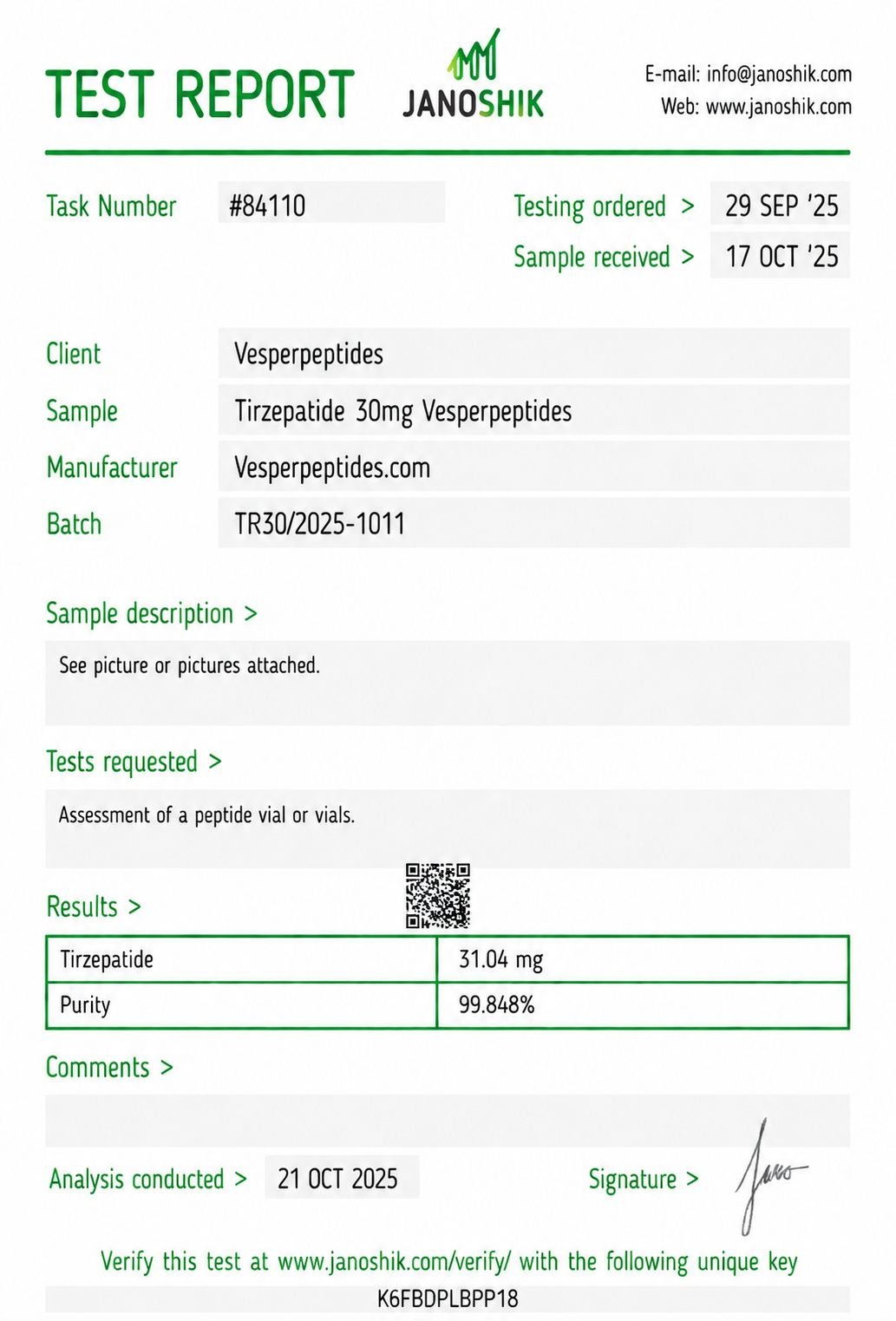
| Purity | ≥98% (HPLC verified) |
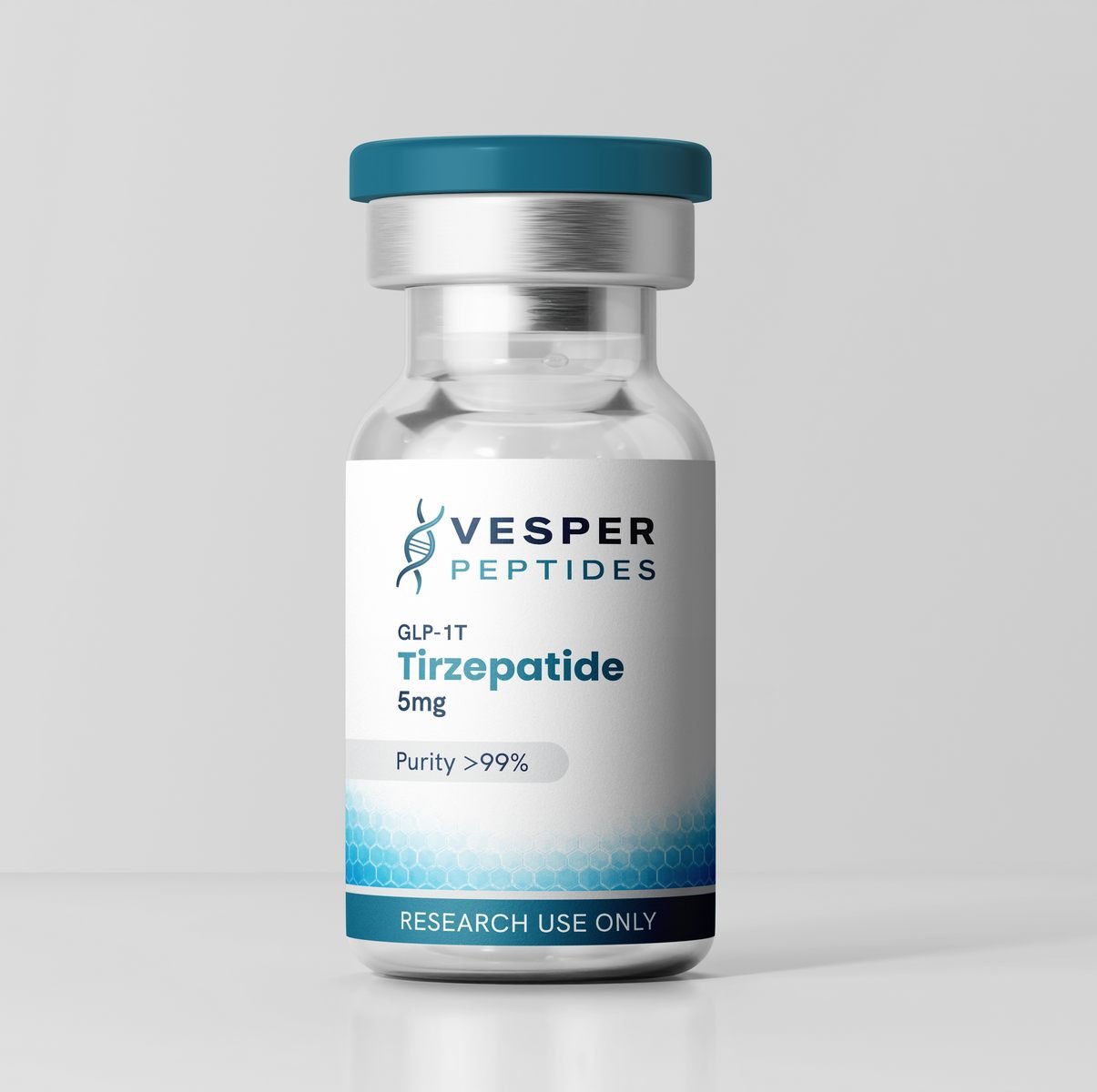
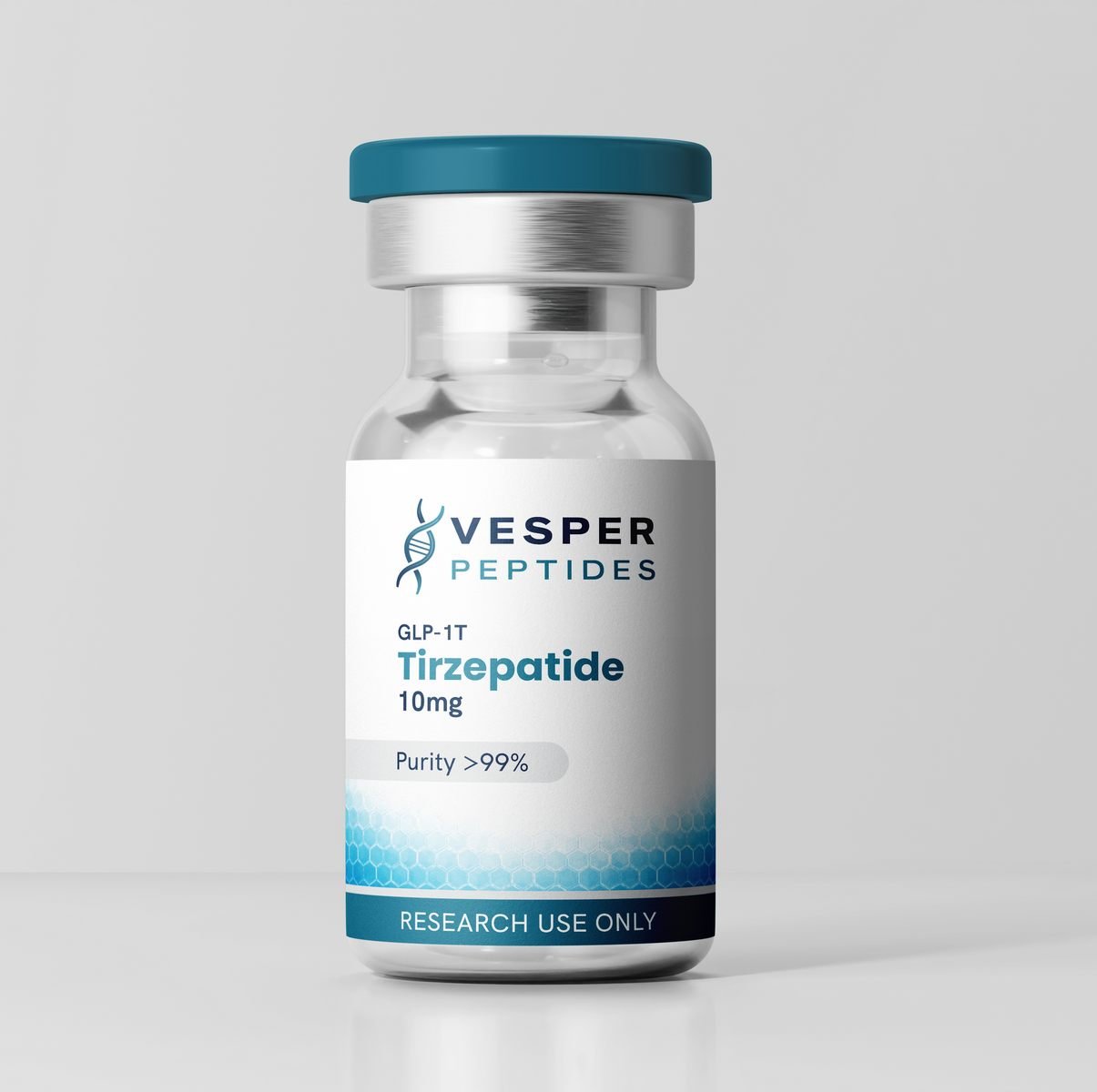
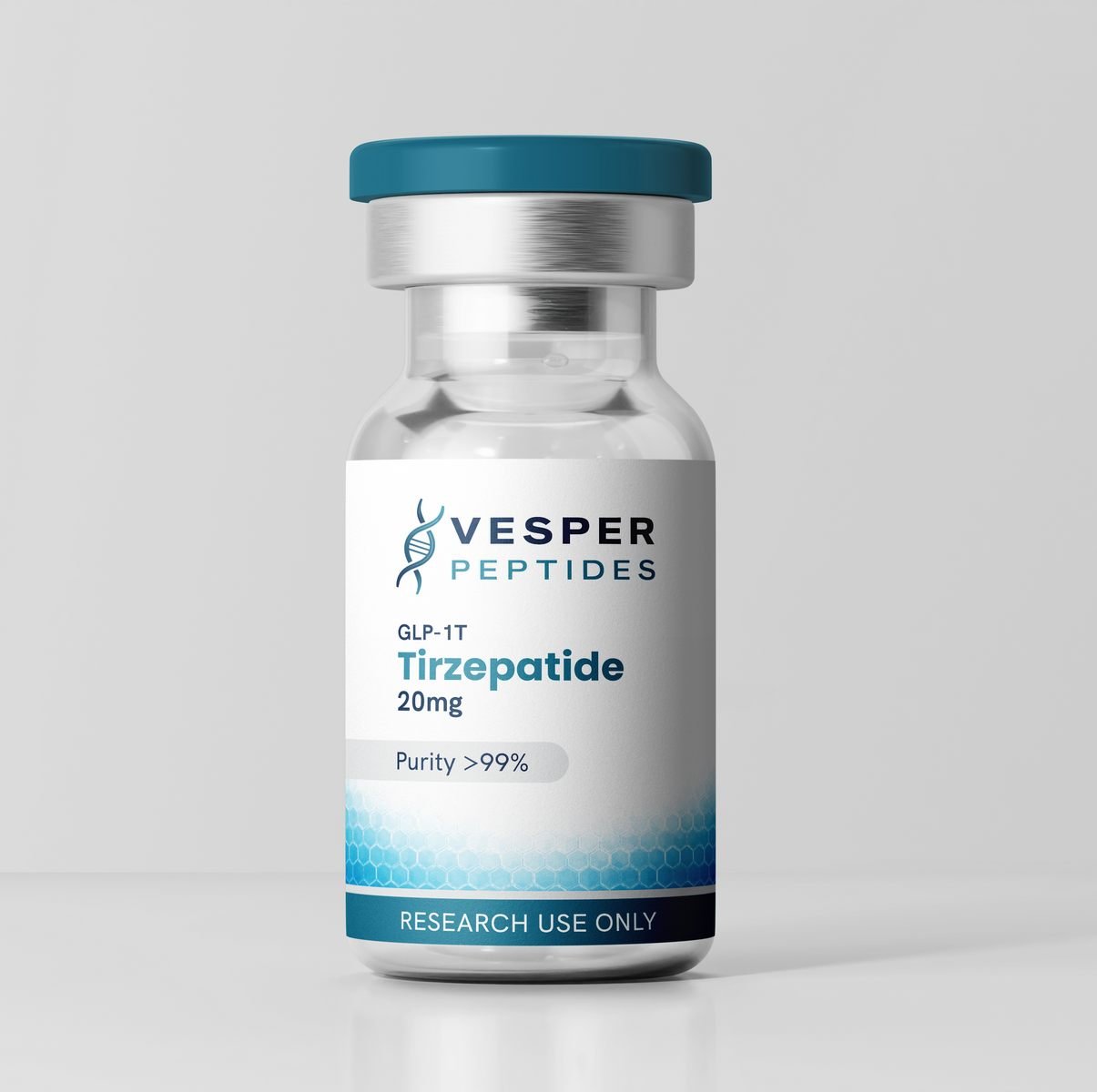
| Available Sizes | 5mg, 10mg, 20mg |
| Storage | −20°C (lyophilized); 4°C (reconstituted) |
| Reconstitution | Sterile bacteriostatic water |
Reconstitution Guidelines
Reconstitute GLP-1T with sterile bacteriostatic water or sterile saline. Add solvent slowly along the vial wall and gently swirl — do not shake vigorously. For a 5mg vial, researchers typically add 1–2ml of solvent to achieve a working concentration. Store reconstituted peptide at 4°C and use it within 30 days. Additionally, aliquoting into single-use volumes before freezing minimizes freeze-thaw degradation in longer studies.
Storage Conditions
Store lyophilized GLP-1T vials at −20°C, away from direct light and moisture. Avoid repeated freeze-thaw cycles, as these progressively degrade peptide integrity. Furthermore, keep vials sealed until the point of reconstitution to preserve lyophilized stability.
For research use only. Not intended for human or veterinary administration. This product is not a drug, supplement, or food product.
Reviews
There are no reviews yet.