
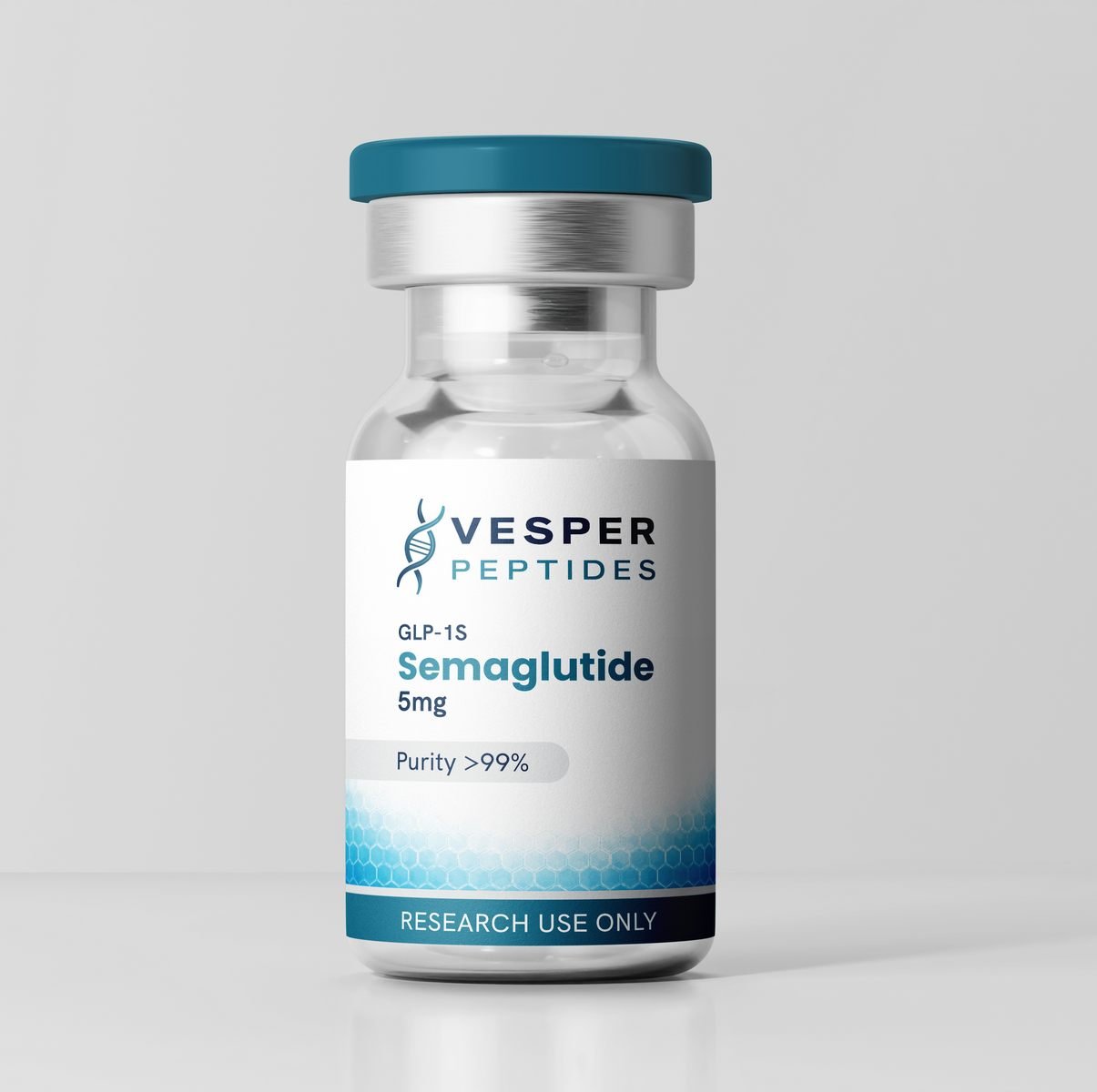
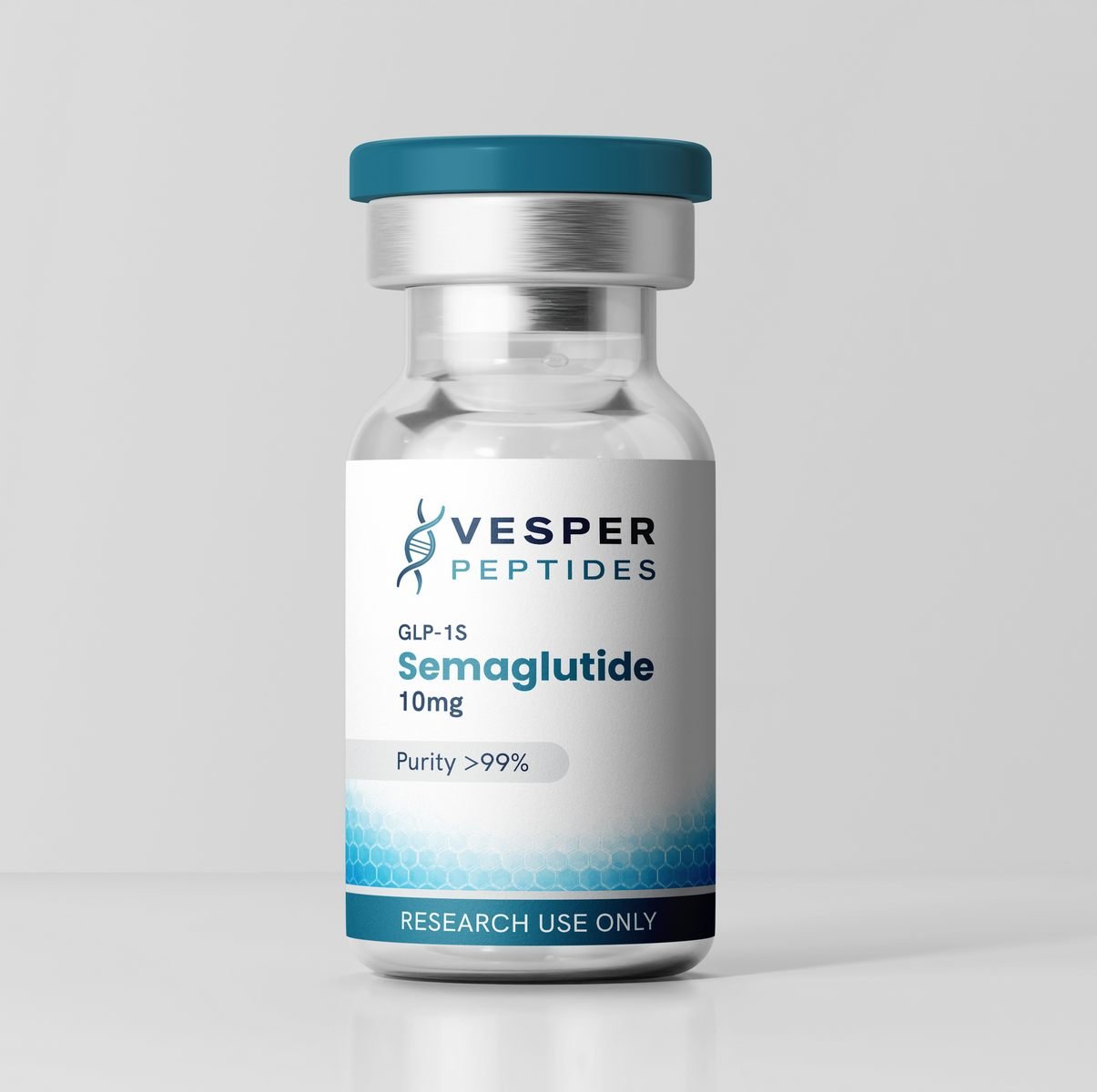
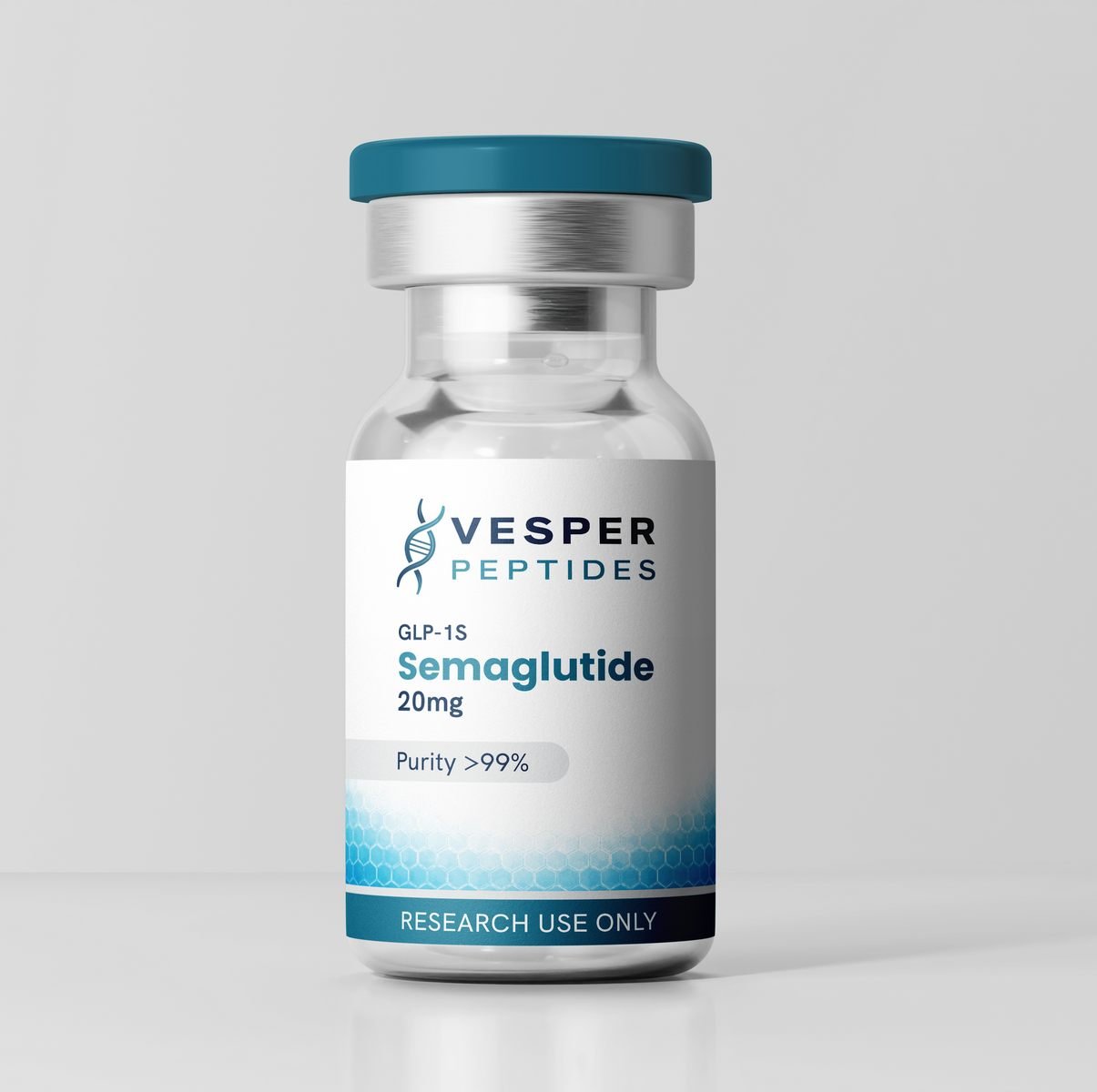
GLP-1S (Semaglutide) — GLP-1 Receptor Agonist Research Peptide
GLP-1S is the research designation for Semaglutide, a fatty acid-modified GLP-1 receptor agonist peptide engineered for prolonged receptor engagement and extended plasma half-life. Researchers in metabolic biology, endocrinology, and pharmacology use it extensively as a reference and tool compound for studying GLP-1 receptor signaling, insulin secretion dynamics, and energy homeostasis regulation. Furthermore, its structural similarities to native GLP-1 — combined with its enhanced stability — make it one of the most thoroughly characterized GLP-1 research compounds available.
Mechanism of Action
Semaglutide binds selectively and with high affinity to the GLP-1 receptor (GLP-1R), a class B G-protein-coupled receptor expressed on pancreatic beta-cells, intestinal L-cells, and hypothalamic neurons. Upon binding, it activates adenylyl cyclase through Gs-protein coupling, elevating intracellular cAMP levels. As a result, it drives glucose-dependent insulin secretion, suppresses glucagon release from alpha-cells, and slows gastric emptying in a glucose-sensitive manner.
Additionally, its C-18 fatty diacid side chain enables reversible albumin binding. This modification dramatically extends its circulating half-life compared to native GLP-1. Therefore, researchers use GLP-1S in protocols requiring sustained GLP-1R activation over extended experimental timeframes — something shorter-acting compounds cannot provide.
Key Research Applications
Researchers actively use this semaglutide research peptide across multiple experimental domains. Specifically, it supports:
- GLP-1 receptor pharmacodynamics — Characterization of GLP-1R binding kinetics, cAMP signaling, and downstream effector activation in cell-based assay systems.
- Beta-cell biology — In vitro studies examining glucose-stimulated insulin secretion (GSIS), beta-cell proliferation, and apoptosis resistance under metabolic stress.
- Hypothalamic satiety research — Investigation of GLP-1R-mediated suppression of food intake signals in neuronal models and hypothalamic explant systems.
- Gastric motility studies — Preclinical models examining the effect of GLP-1R agonism on gastric emptying rate and gastrointestinal transit.
- Comparative incretin research — Head-to-head benchmarking against dual agonists such as Tirzepatide (GLP-1T) to isolate the specific contribution of GLP-1R activation.
- Lipid metabolism research — Investigation of GLP-1R-mediated effects on hepatic lipogenesis and adipose tissue lipolysis in metabolic disease models.
Structural and Pharmacokinetic Profile
Semaglutide shares approximately 94% structural homology with native GLP-1(7–36) amide. However, two key structural modifications distinguish it from endogenous GLP-1. First, an Aib (alpha-aminoisobutyric acid) substitution at position 8 protects it from DPP-4-mediated cleavage. Second, a C-18 fatty diacid linker at Lys²⁶ enables albumin binding and extends its half-life significantly. Consequently, it maintains prolonged GLP-1R engagement without rapid enzymatic degradation — a critical feature in experimental protocols requiring extended stimulation windows.
Peptide Profile
| Parameter | Detail |
|---|---|
| Common Name | Semaglutide |
| Research Code | GLP-1S |
| Receptor Target | GLP-1R (GLP-1 receptor) |
| Agonist Class | GLP-1 mono-agonist |
| Molecular Weight | ~4,114 Da |
| Form | Lyophilized powder |
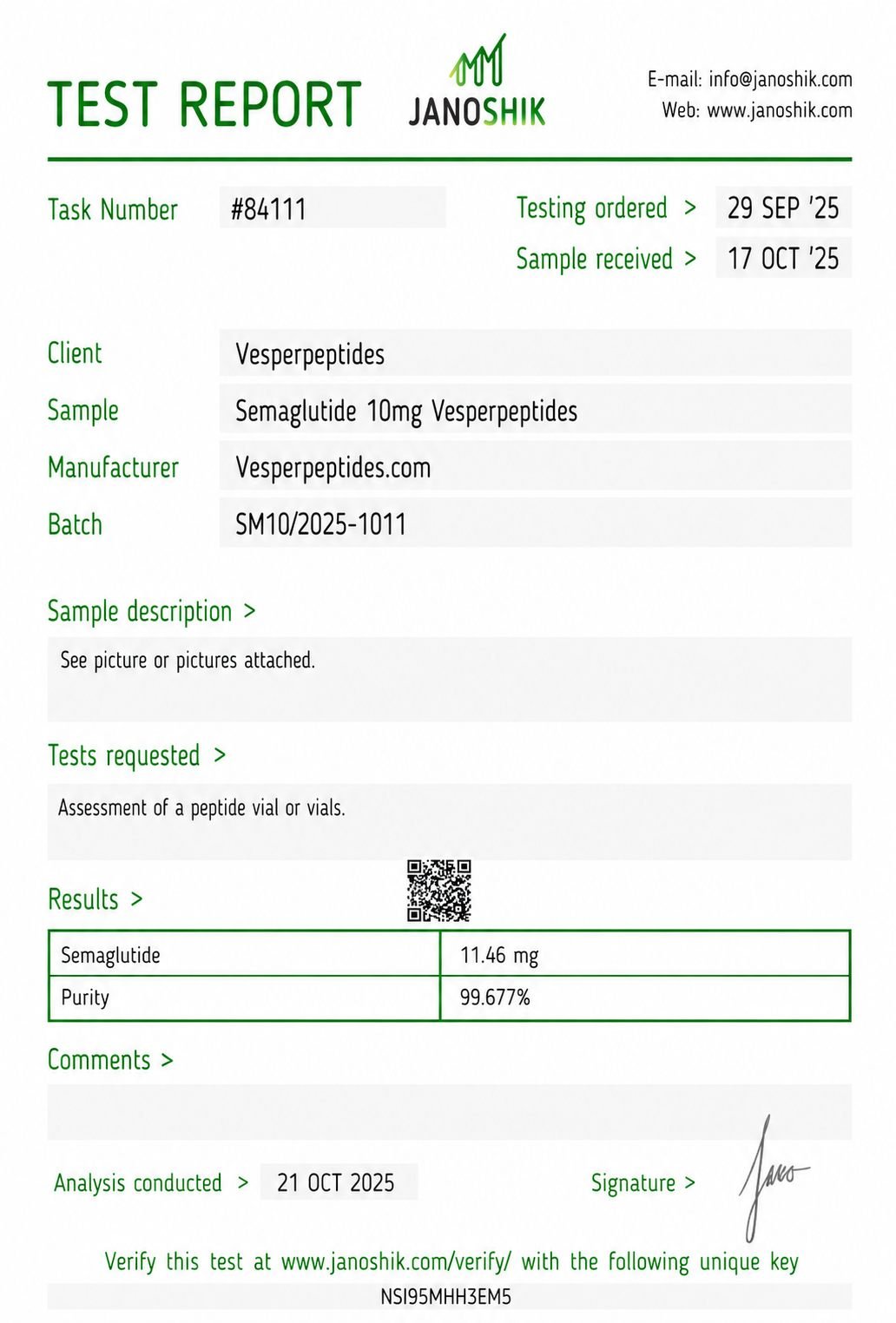
| Purity | ≥98% (HPLC verified) |
| Available Sizes | 5mg, 10mg, 20mg |
| Storage | −20°C (lyophilized); 4°C (reconstituted) |
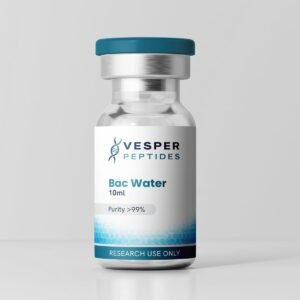
| Reconstitution | Sterile bacteriostatic water |
Reconstitution Guidelines
Reconstitute GLP-1S with sterile bacteriostatic water. Add solvent slowly along the inner vial wall and gently swirl until the lyophilized powder fully dissolves. Do not vortex or shake vigorously, as this may compromise peptide integrity. For a 5mg vial, researchers typically use 1–2ml of solvent to achieve a working concentration suitable for most assay systems. Additionally, aliquoting reconstituted solution into single-use volumes before storage at 4°C helps minimize repeated freeze-thaw exposure during extended studies.
Storage Conditions
Store lyophilized GLP-1S vials at −20°C in a dry environment, away from direct light. Furthermore, keep vials sealed until the point of reconstitution to preserve lyophilized stability. Once reconstituted, store at 4°C and use within 28–30 days. Avoid repeated freeze-thaw cycles, as these progressively reduce peptide activity.
For research use only. Not intended for human or veterinary administration. This product is not a drug, supplement, or food product.
Reviews
There are no reviews yet.