
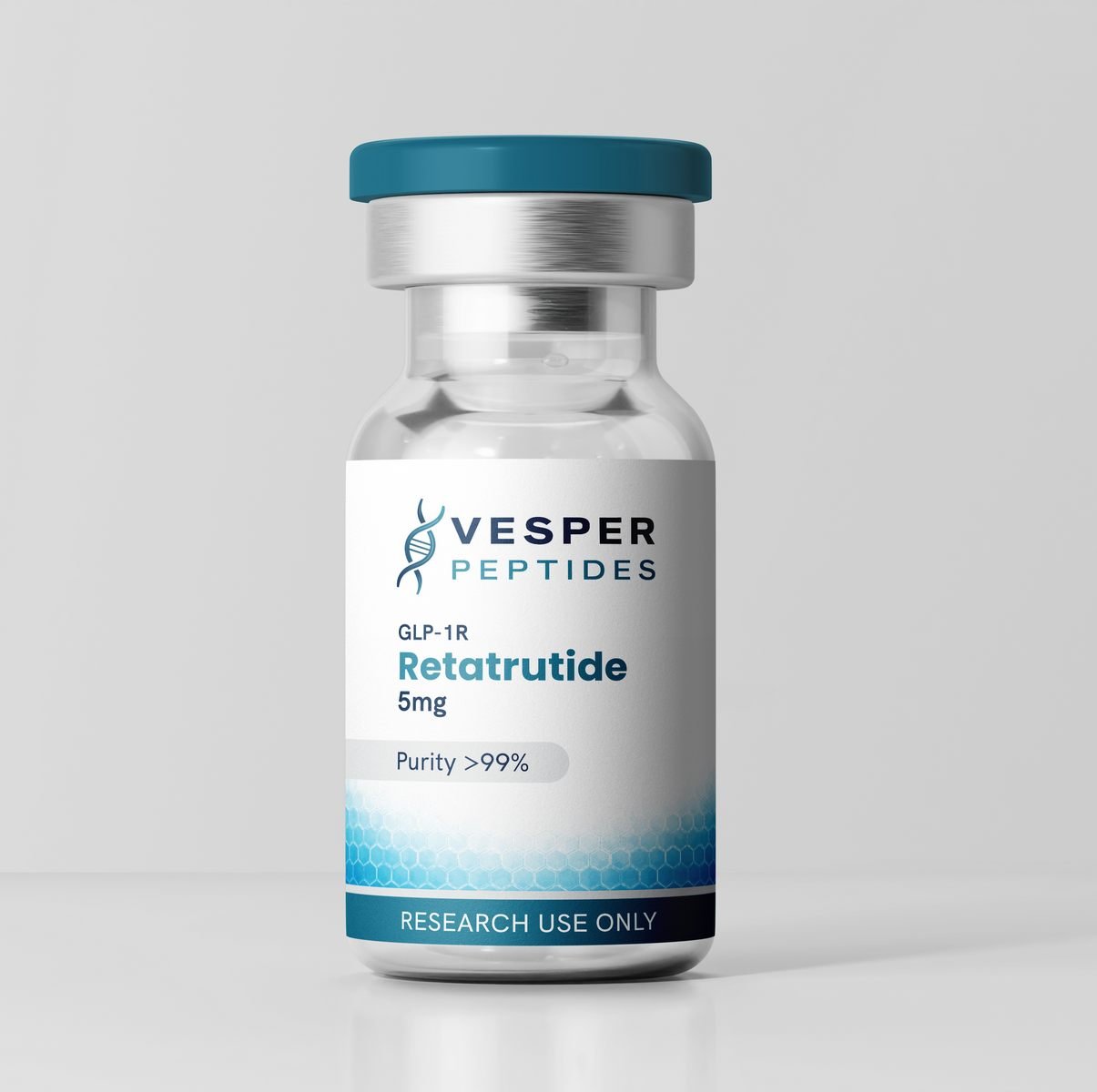
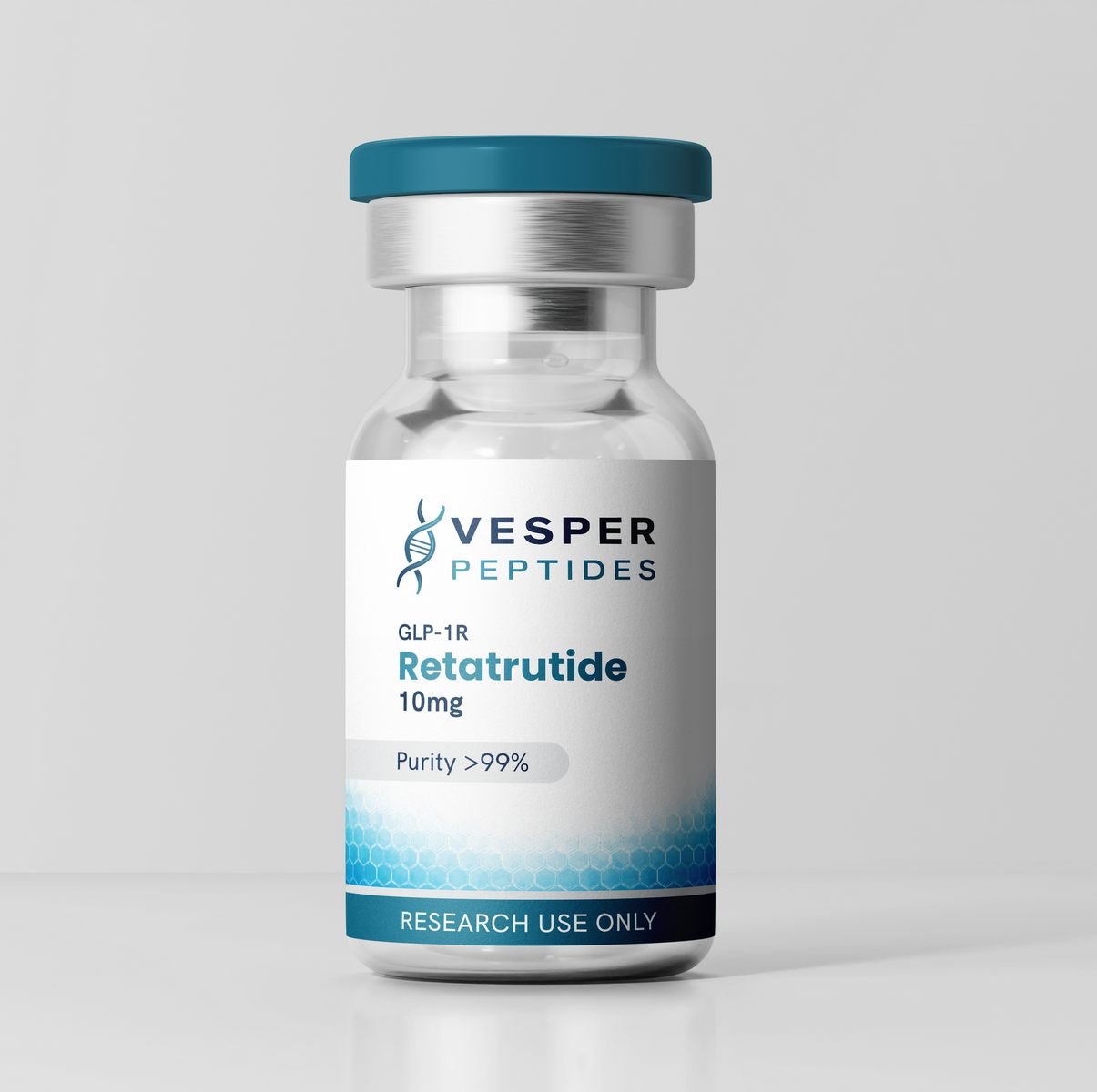
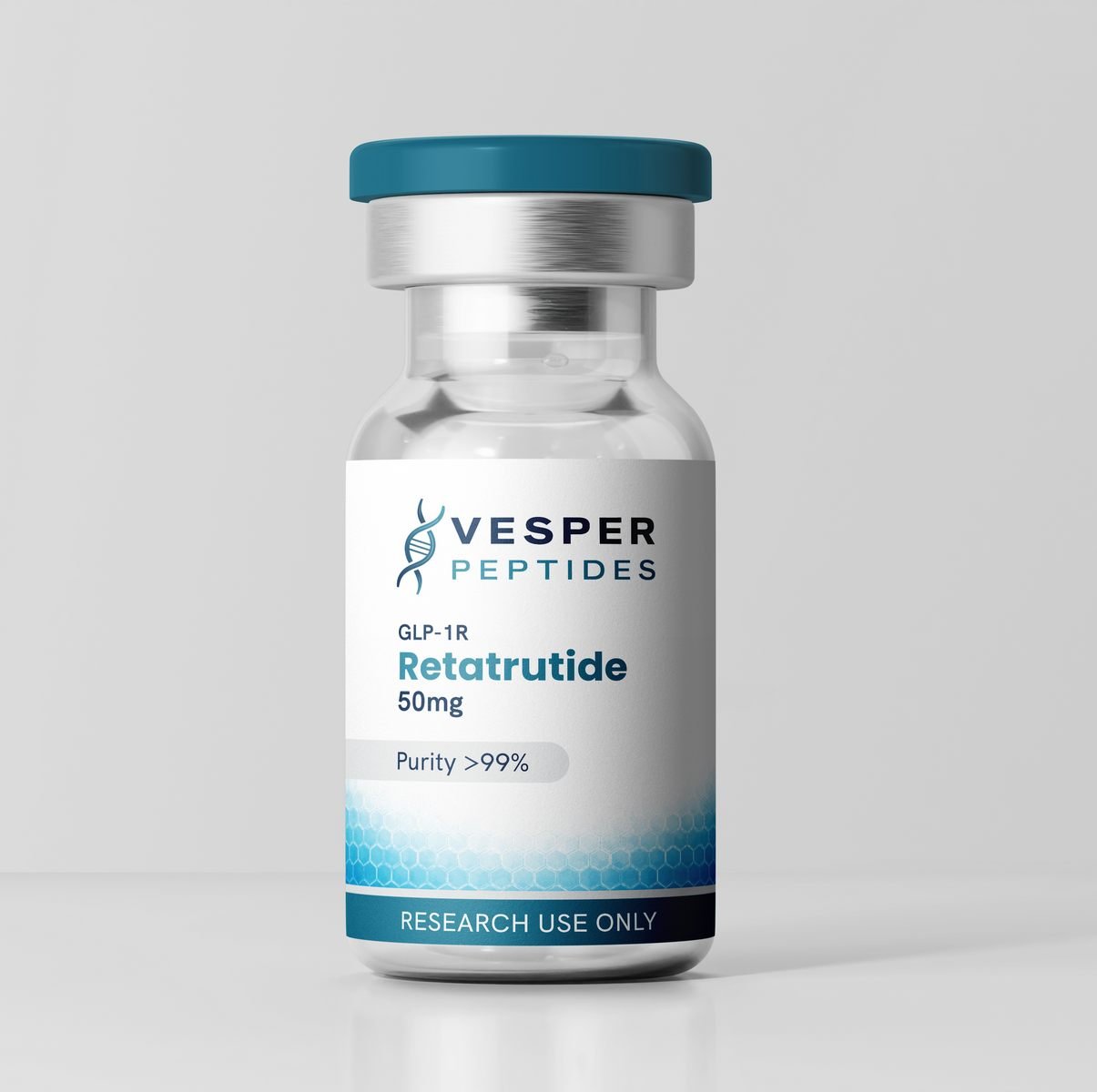
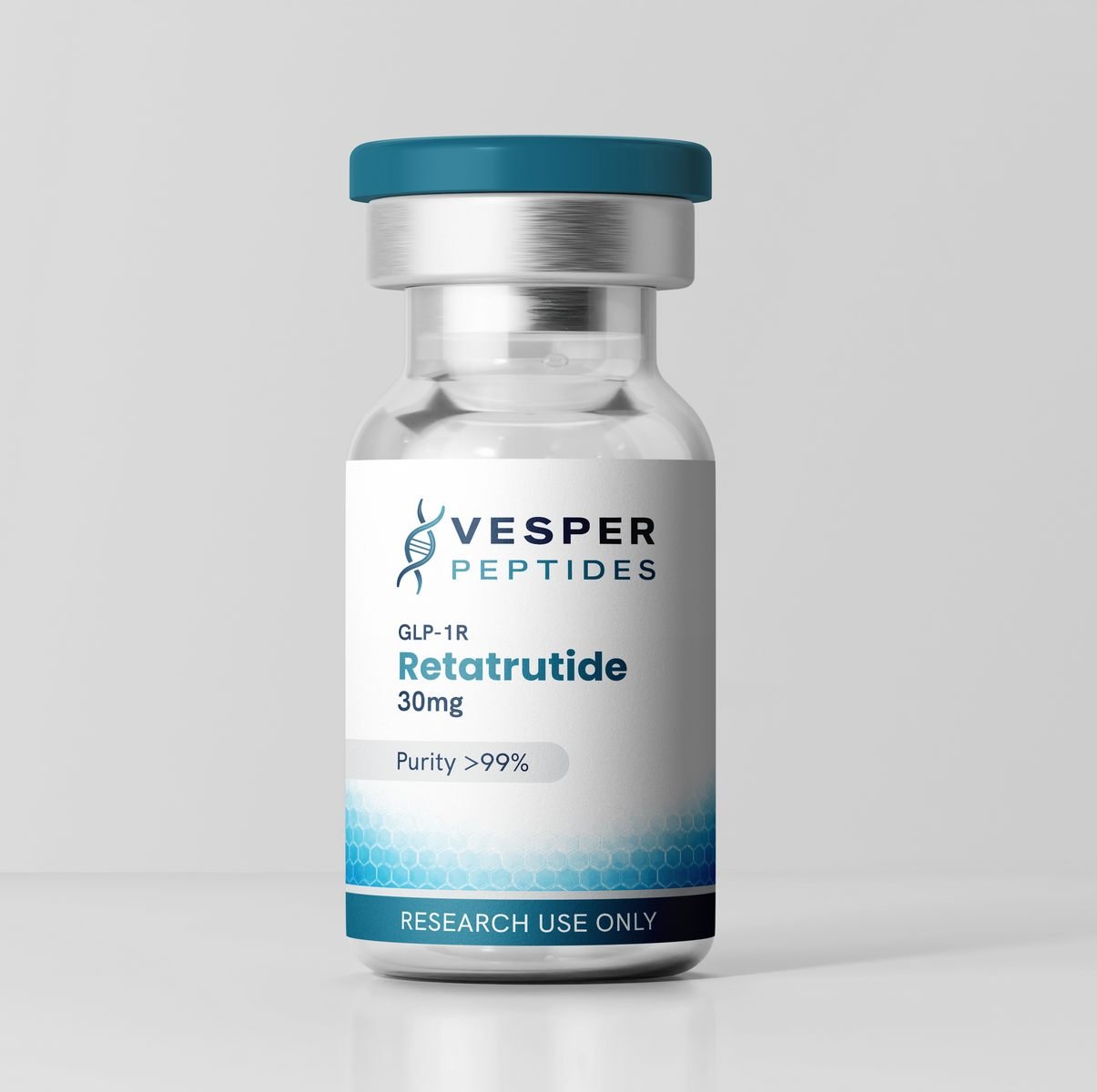
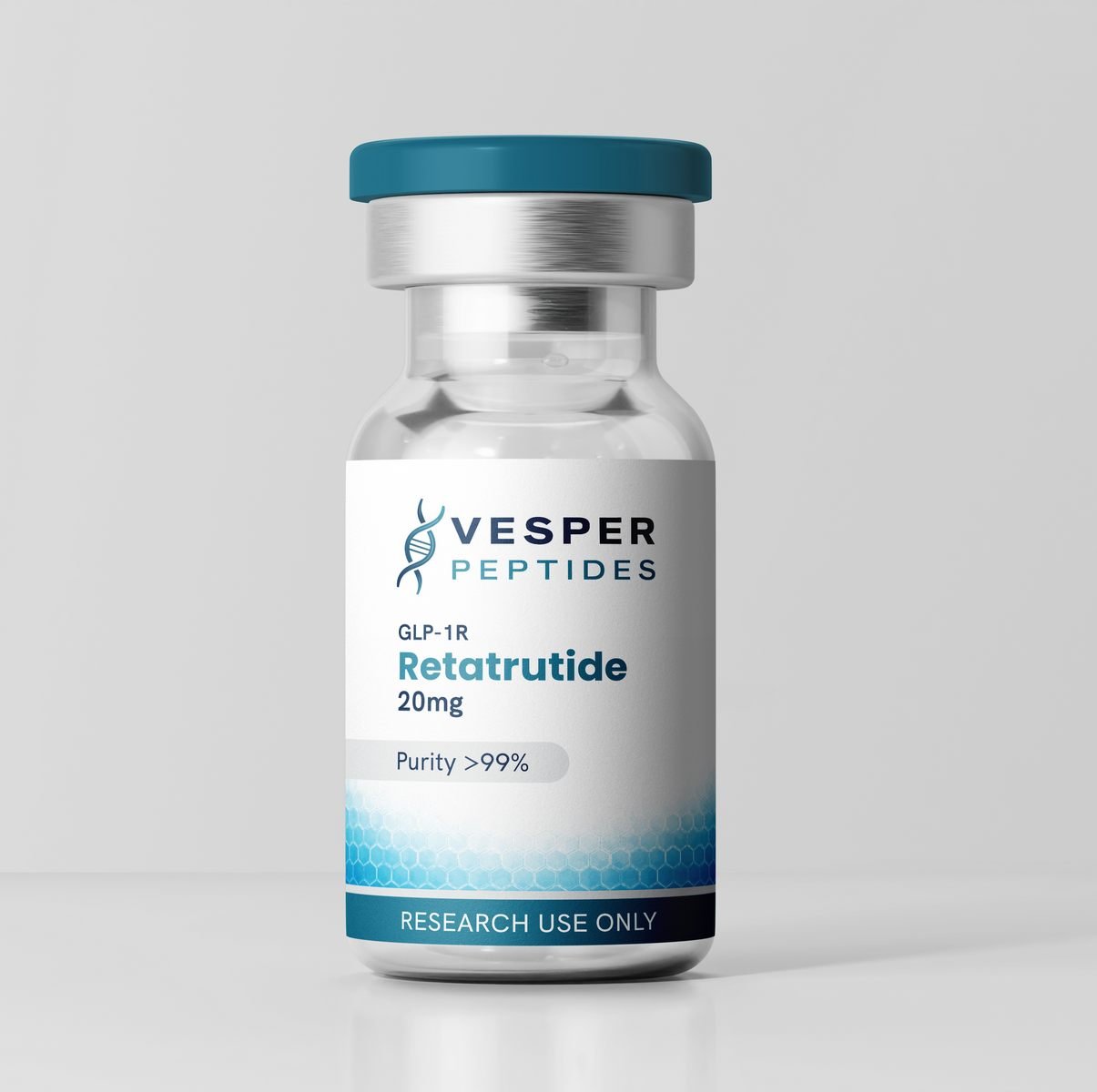
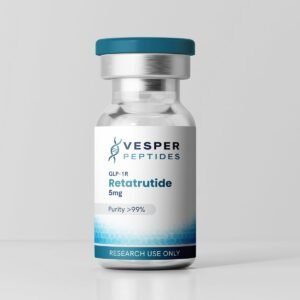
GLP-1R (Retatrutide) — Triple GLP-1R/GIPR/GcgR Co-Agonist Research Peptide
GLP-1R is the research designation for Retatrutide, a synthetic tri-agonist peptide engineered to simultaneously activate three distinct metabolic receptors — the glucagon-like peptide-1 receptor (GLP-1R), the glucose-dependent insulinotropic polypeptide receptor (GIPR), and the glucagon receptor (GcgR). Researchers use it as a cutting-edge tool compound for investigating the additive and synergistic metabolic effects of triple receptor co-activation. Furthermore, its tri-receptor profile represents the most mechanistically advanced incretin research compound currently available, enabling experimental designs that single and dual agonists simply cannot support.
Mechanism of Action
Retatrutide engages all three receptors concurrently, each contributing a distinct and complementary metabolic effect.
At GLP-1R, it drives glucose-dependent insulin secretion, suppresses glucagon, and activates hypothalamic satiety circuits. At GIPR, it enhances insulin secretion through an additive incretin mechanism and modulates adipose tissue lipid handling. Additionally, at GcgR, it stimulates hepatic glucose output, promotes fatty acid oxidation, and increases thermogenesis through brown adipose tissue activation.
Consequently, the net effect in experimental systems reflects an integrated tri-receptor signal that produces greater energy expenditure stimulation than either GLP-1 or dual GLP-1/GIP agonists. Therefore, researchers specifically choose this retatrutide research peptide when they need to model the upper boundary of incretin pathway activation.
Key Research Applications
Researchers actively use GLP-1R across several specialized research domains. Specifically, it supports:
- Triple receptor pharmacology — Simultaneous characterization of GLP-1R, GIPR, and GcgR activation kinetics, cAMP signaling profiles, and downstream effector engagement in cell-based systems.
- Energy expenditure research — Preclinical models investigating thermogenesis, brown adipose tissue activation, and basal metabolic rate modulation through tri-receptor engagement.
- Glucose homeostasis studies — Comparative studies examining the distinct contributions of GLP-1R, GIPR, and GcgR to glycaemic regulation in isolated islet and whole-animal experimental systems.
- Hepatic metabolism research — Investigation of GcgR-mediated effects on hepatic glucose output, glycogenolysis, and fatty acid oxidation alongside the insulin-sensitizing effects of GLP-1R and GIPR activation.
- Comparative incretin benchmarking — Head-to-head experimental designs comparing mono-agonist, dual agonist, and triple agonist compounds to isolate the incremental contribution of each additional receptor target.
- Obesity and adipose biology — Studies examining white adipose tissue remodeling, brown adipose tissue thermogenic capacity, and overall energy balance in high-fat diet preclinical models.
Why Researchers Choose GLP-1R Over Dual Agonists
Dual agonists such as Tirzepatide (GLP-1T) target GLP-1R and GIPR effectively. However, they lack glucagon receptor engagement. As a result, they cannot model the thermogenic and hepatic metabolic contributions that GcgR activation provides. Researchers who need to understand the full spectrum of tri-receptor incretin signaling therefore require GLP-1R specifically. Furthermore, the availability of five vial sizes — from 5mg to 50mg — makes it practical for both small pilot studies and extended large-scale research protocols.
Peptide Profile
| Parameter | Detail |
|---|---|
| Common Name | Retatrutide |
| Research Code | GLP-1R |
| Receptor Targets | GLP-1R, GIPR, GcgR |
| Agonist Class | Triple incretin co-agonist |
| Molecular Weight | ~4,859 Da |
| Form | Lyophilized powder |
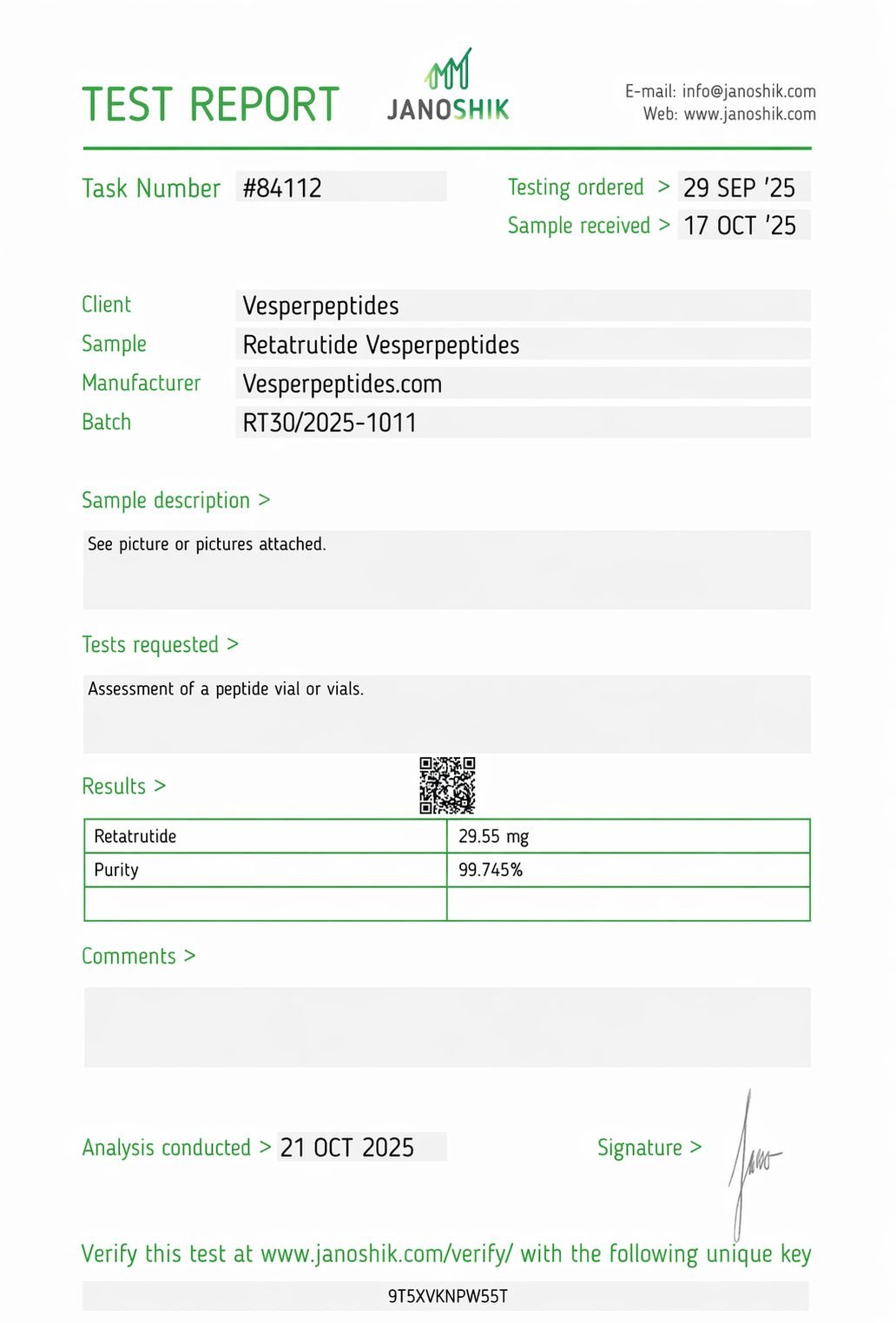
| Purity | ≥98% (HPLC verified) |
| Available Sizes | 5mg, 10mg, 20mg, 30mg, 50mg |
| Storage | −20°C (lyophilized); 4°C (reconstituted) |
| Reconstitution | Sterile bacteriostatic water |
Reconstitution Guidelines
Reconstitute GLP-1R with sterile bacteriostatic water. Add solvent slowly along the inner vial wall and gently swirl until fully dissolved. Do not shake or vortex, as mechanical agitation may reduce peptide integrity. For a 10mg vial, researchers typically add 1–2ml of solvent to achieve a suitable working concentration. Additionally, for larger vial sizes (30mg, 50mg), prepare aliquots of the reconstituted solution before storage to minimize repeated freeze-thaw exposure across extended experimental series.
Storage Conditions
Store lyophilized GLP-1R vials at −20°C, protected from light and moisture. Furthermore, keep vials sealed until the point of reconstitution. Once reconstituted, store at 4°C and use within 28–30 days. Avoid repeated freeze-thaw cycles to maintain peptide activity throughout the study duration.
For research use only. Not intended for human or veterinary administration. This product is not a drug, supplement, or food product.
Reviews
There are no reviews yet.